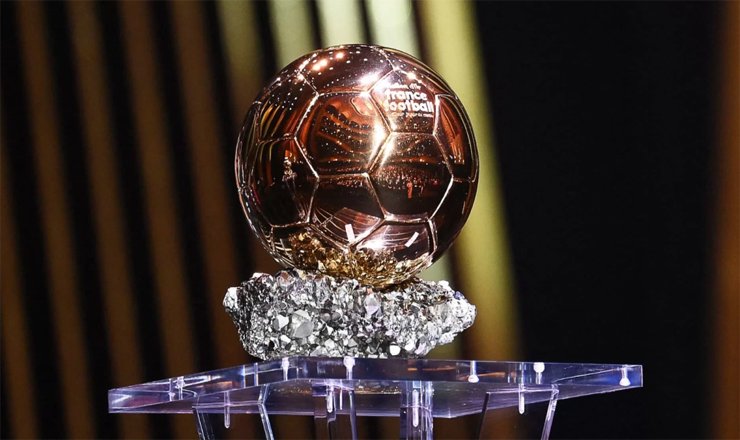

A Night to Remember: Dembele, Bonmatí, and Football’s New Heights
Paris, September 22, 2025 — The 69th Ballon d’Or ceremony lived up to its drama and expectations, crowning stars and marking turning points. On a night filled with emotion, surprises, and milestones, Ousmane Dembélé claimed the Men’s Ballon d’Or, while Aitana Bonmatí made history with her third consecutive Women’s Ballon d’Or.
🏆 The Champions
-
Men’s Winner: Ousmane Dembélé (PSG, France)
Having led Paris Saint-Germain to their first-ever Champions League title, Dembélé’s performance last season was nothing short of spectacular. With contributions not just in goals and assists, but in leadership and decisive moments, he beat out close rivals like Lamine Yamal and PSG teammate Vitinha. -
Women’s Winner: Aitana Bonmatí (Barcelona, Spain)
Bonmatí again stood above a talented field to win her third Ballon d’Or Féminin in a row. Consistency, creativity, and her integral role at both club and national levels have made her a model of excellence in women’s football.
🔍 Other Major Awards and Highlights
-
Kopa Trophy (Men’s young player): Lamine Yamal
-
Yashin Trophy (Men’s best goalkeeper): Gianluigi Donnarumma
-
Men’s Gerd Müller Top Scorer: Viktor Gyökeres
🌟 More Than Just Numbers: Themes from This Year
-
PSG’s Rising Influence
PSG didn’t just win trophies—they’re emerging as a defining force in Europe. Dembélé’s win underlines their strategy paying off: a blend of star power, tactical evolution under their coach, and investment in depth. -
Youth vs. Experience
The contrast between the young talents like Yamal and the seasoned performance of Dembélé shows how football continues to balance raw talent with refined experience. -
Women’s Football Growth & Recognition
Bonmatí’s third straight win reinforces how the top echelon of women’s football has depth, quality, and public appeal. Also, recognition of equal prizes is a critical sign of progress. -
Tight Competition
While Dembélé won, the margin in perception was narrow. Players like Yamal, Salah, Hakimi, and others show that no Ballon d’Or is a guaranteed win—it must be earned through consistent impact.
⚠️ Controversies & Questions
-
Voting Bias & Club Advantage
Some critics argue PSG may have benefited from having multiple nominees and strong performances in both domestic and European competition. Could team success sometimes overpower individual brilliance? -
How Much Should Trophies Matter?
Sometimes players who shine individually but don’t win major trophies get overlooked. This year’s ranks bring back the question: do team honors sometimes overshadow personal impact? -
Broader Recognition in Women’s Game
While Bonmatí’s dominance is undisputed, there are still debates about representation—does the award fully capture talent from non-European leagues, or those outside the biggest clubs?
🚀 Implications for Football
-
Motivation for Upcoming Stars
Yamal’s presence shows that age is less of a barrier if performances are exceptional. Young players now have clearer examples that they can break through early. -
Clubs Raising the Bar
With PSG’s recent success, other clubs will feel pressure to match investment in talent development, scouting, and coaching to challenge for both trophies and individual honors. -
Growing Global Interest in Women’s Football
The attention given to the women’s awards, and acceptance of parity in prize recognition, could help further elevate leagues, spectator interest, and investment globally.
✍️ Final Thoughts
This year’s Ballon d’Or wasn’t just a list of winners—it was a statement. The rise of players who blend technical artistry and mental toughness, the increasing weight of youth impact, and the push for equality in recognition are all shaping a new era.
For Dembélé, it’s a crowning achievement finally validating years of expectation. For Bonmatí, it’s re-affirmation of her place at the peak. And for football fans, it’s proof once more that the beautiful game continues to surprise, inspire, and evolve.